
Traffic Cameras in Texas: Laws and What Drivers Should Know
 Red light cameras are illegal in Texas. The Legislature banned them in 2019 through House Bill 1631, and Texas Transportation Code § 707.020 now prohibits any local authority from operating a photographic traffic signal enforcement system. Yet cameras have not disappeared from Texas roads, and the ones still running, from toll gantries to school bus stop arms to the live feeds at Houston TranStar, generate real bills, citations, and evidence after a crash. If you know which cameras are legal and which “tickets” are noise, you can stop worrying about the wrong things.
Cameras matter most when you have been hurt in a wreck, and the other driver’s story does not match yours. If that is your situation, our team at The Buzbee Law Firm will evaluate your case for free. Call 800-992-5393 or contact us online before the footage that could prove your version disappears.
What the 2019 Ban Actually Did
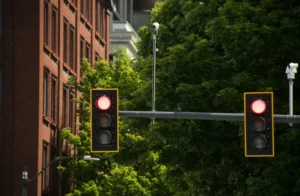 House Bill 1631 took effect on June 2, 2019, and it dismantled red light camera enforcement in two moves. First, § 707.020 made it illegal for cities to operate the systems, with the Texas Attorney General responsible for enforcement. Second, Texas Transportation Code § 707.021 barred local authorities from issuing any civil or criminal charge based on an image from one of those systems.
A handful of cities with vendor contracts signed before May 7, 2019, were allowed to run out the clock on those agreements, according to the Texas Department of Transportation, which is why some Texans continued to receive notices for a few years after the ban. The bill also stripped cities of their main collection tool: county tax offices could no longer refuse to register your vehicle over an unpaid camera fine.
Automated speed enforcement has its own prohibition. Under Texas Transportation Code § 542.2035, a municipality cannot operate any photographic, radar, or laser system to enforce speed limits. A speeding ticket in Texas requires an officer, not a machine.
The Cameras That Are Still Legal in Texas
The 2019 ban was narrower than most drivers assume. It covered one specific technology, and everything else stayed on the road:
- Toll cameras: Gantries on toll roads photograph your license plate for Pay By Mail billing under authority separate from the camera ban, including Texas Transportation Code Chapter 372. A toll bill is not a traffic ticket, but ignoring it can lead to additional administrative fees.
- School bus stop-arm cameras: Districts across Texas mount cameras on bus stop arms, and passing a stopped school bus remains a criminal offense under Texas Transportation Code § 545.066.
- Traffic monitoring cameras: TxDOT and regional centers like Houston TranStar run thousands of cameras to manage congestion, and many are live feeds that are never stored.
- Police dash and body cameras: Officers record stops and crash scenes, and that footage can be requested.
- Private cameras: Businesses, homeowners with doorbell cameras, and drivers with dash cams legally record public roads, and their footage decides more injury cases than any government system does.
How to Spot a Fake Camera Ticket
Because real camera citations are mostly extinct in Texas, scammers have moved into the gap. Texans get waves of text messages claiming unpaid tolls or camera violations, and the messages look official enough to work. Treat a notice as suspect if it shows any of these signs:
- A text or email demanding immediate payment through a link
- Payment requested by gift card, wire transfer, or payment app
- Threats to suspend your license over a camera image, which § 707.021 does not allow a local authority to do
- A toll bill from a road you have never driven
- No citation number, court information, or agency contact that you can verify independently
If a paper notice looks genuine, look up the agency’s phone number yourself rather than trusting the one printed on it, and confirm before paying.
The Camera Question That Actually Decides Cases
Here is what most articles about traffic cameras skip: after a serious wreck, the question is not whether a camera can ticket you. It is whether a camera saw what happened. Insurance companies love crashes with no footage, because a no-witness intersection dispute becomes your word against their driver’s.
Nearby business surveillance, a doorbell camera facing the street, a truck’s onboard system, or another driver’s dash cam can end that argument in an afternoon. The catch is retention. Many private systems overwrite themselves in days, and footage that is not formally requested and preserved is usually gone within weeks.
How Our Firm Puts Camera Evidence to Work
Finding footage is investigative work, and it rewards firms that treat every case as if it were going to trial. Our team canvases crash scenes for cameras, sends preservation demands before recording cycles out, and subpoenas what businesses will not hand over voluntarily, because a jury believes video over an adjuster’s reconstruction every time. That approach is a big part of the results we have delivered for clients across Texas, and we talk through fights like these on our podcast, Swimming with the Sharks.
Frequently Asked Questions About Traffic Camera Laws
Can a Camera in Another State Still Ticket You?
Yes. The 2019 ban binds Texas local authorities, not other states. If you drive a Texas-plated car through a state that permits automated enforcement, you can receive a notice at the address on your registration, and the aggressiveness of enforcement depends on that state’s laws and any agreements it has with Texas.
How Do You Request Footage from a Government Camera?
Through a public records request under the Texas Public Information Act (Texas Government Code Chapter 552). Agencies holding dash-cam, body-cam, or intersection recordings must respond to a written request, though certain records tied to an active investigation may be withheld while the case is open.
Can the Other Side Use Your Own Dash Cam Against You?
Yes, and people forget this. Once your footage becomes part of a case, the opposing party can obtain it through discovery, the formal process where both sides exchange evidence before trial. Video is neutral, so it can just as easily show you drifting a lane as it can show the other driver running a light.
Does Video Prove Who Was at Fault?
Not by itself. Video shows what happened, but fault is a legal conclusion a jury reaches, and Texas applies proportionate responsibility under Texas Civil Practice and Remedies Code § 33.001. A recording can support your version and still leave a share of the blame on the table, which is why the way the footage is presented matters as much as having it.
Somewhere, a Camera May Have Seen Your Crash. Find It Before It Erases Itself.
Footage does not wait for you to finish physical therapy. If you were hurt in a wreck anywhere in Texas, our lawyers at The Buzbee Law Firm offer a free consultation and can start hunting for the video that backs up your story this week. Call 800-992-5393 or contact us online now while the evidence is still available.